Bare Rental vs Operated Crane Rental: Who Owns the Paperwork
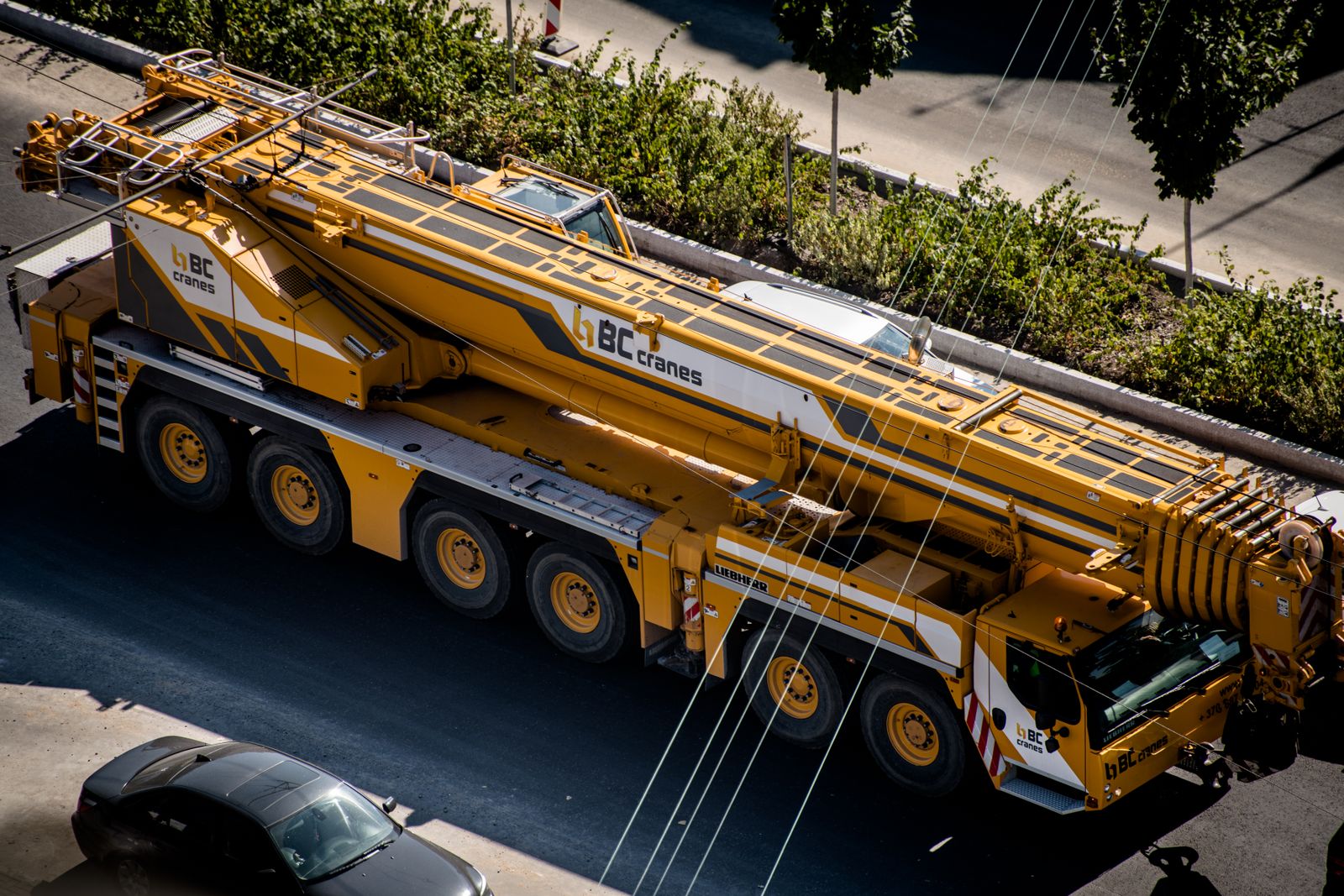
On an operated rental, your operator runs the crane, so your company does the shift and monthly inspections and supplies the operator's card and 1427(f) evaluation. On a bare rental, the renter's people run it, so the renter usually does the inspections and keeps the log while it is out, and you supply the annual, the load chart and manual, and in some states the certificate of operation. The rental agreement is what actually decides it, so put it in writing.
The rule that decides who keeps what
OSHA's crane inspection rule ties records to "the employer that conducts the inspection." Monthly records are "documented and maintained by the employer that conducts the inspection" and kept three months (1926.1412(e)(3)). Annual records are retained 12 months "by the employer that conducts the inspection" (1926.1412(f)(7)).
The operator rules attach to the operator's employer. 1926.1427 says "the employer must ensure that each operator is trained, certified/licensed, and evaluated," and the evaluation document must be available at the worksite "while the operator is employed by the employer."
Put those together and the split follows who runs the crane.
Side by side
| Item | Operated rental (you supply the operator) | Bare rental (renter supplies the operator) |
|---|---|---|
| Annual inspection | You | You, as owner, before it goes out |
| Shift inspections | Your operator | Renter's competent person |
| Monthly inspections | You | Usually renter while on rent; check the contract |
| Crane log | Stays with your operator | Goes out with the crane, comes back with it |
| Operator certification | You, at no cost to the operator | Renter |
| 1427(f) evaluation | You | Renter |
| Rigger and signal person | Whoever employs them; often the customer | Renter |
| Load chart and manual in the cab | You | You furnish; renter keeps in cab |
| Certificate of insurance | You give the customer yours | Renter gives you theirs |
| State certificate (WA) | In the cab | Renter will ask for it |
Operated rental: you carry the whole packet
When your operator shows up with your crane, the GC sees one company. Everything in the jobsite crane packet is on you: the annual and full report, recent monthlies, the operator card and evaluation, the load chart, your COI. If the GC's own sub is the one hiring you, their forms may split it. Dimeo's lift plan form, for example, asks the crane company for operator and A/D supervisor designations, the annual report and the load chart, and asks the hiring subcontractor for rigger and signal person designations, the rigging plan and load weights.
Bare rental: what a big lessor writes into the contract
Large lessors publish their bare rental terms, and they are a useful model for what a small shop should cover. Maxim Crane Works' Master Bare Crane Agreement says:
- Acceptance window: "Lessee shall inspect the Equipment immediately upon delivery. Within 24 hours after the Equipment is received Lessee shall certify that the Equipment is in good working condition or notify Lessor in writing" of defects. No notice within 24 hours counts as acceptance.
- Condition record: the general condition is noted on the delivery slip, which is used again "to verify the general condition of the equipment upon its return."
- Inspections: "OSHA regulations pertaining to the Equipment require daily, monthly (or other periodic) and annual inspections. Lessee agrees to conduct these inspections."
- Items furnished: "crane logbook; operator's manual; fire extinguisher; and load chart," with a replacement fee for anything not returned.
- Records: "Lessee shall keep a written record of all inspections and shall be responsible for maintaining the crane log book while the Equipment is in Lessee's possession."
Whatever your agreement says, the practical point is the same: the log leaves with the crane and has to come back with it. If it does not, the next renter or the next certifier sees a gap.
Customers will treat it as their crane
GCs that rent bare often push the checks onto the user in writing. Power Construction's mobile crane checklist says "the subcontractor utilizing the crane is solely responsible for inspecting the crane as required," and wants completed checklists submitted daily.
Washington's L&I spells out the other direction for lessors: "renters (lessees) will ask you for a copy of the temporary or annual certificate of operation and may ask for crane maintenance records." See Washington's crane rules.
Insurance: COIs flow both ways
On an operated job you send the GC your certificate of insurance. On a bare rental you should be collecting one. Underwriters ask about it. The Skyward crane and rigging supplemental application asks:
- "Are certificates of insurance required from lessees on bare rentals? If so please provide a copy."
- "Is applicant named as additional insured on Lessees policy?"
- "Is there a Diary System in place to track expiration dates of certificates of insurance?"
It also asks for a copy of your standard rental agreements or tickets, and separates class codes for crane rental with operator and crane rental without operator. If your bare rental paperwork is a handshake, your renewal application will show it.
Where disputes start
Most bare rental arguments are about paper, not steel.
- Damage nobody wrote down. Without a signed delivery slip noting condition and hours, a dented outrigger box is your word against theirs.
- A missing log. The renter did the monthlies but the book stayed in their pickup. Now your history has a two-month hole right before the annual.
- Defects reported by phone. 1926.1417(j) requires an operator to report needed repairs in writing to the person the employer designates. On a bare rental, make sure the renter knows to tell you too.
- An expired COI. The renter's certificate lapsed mid-rental and nobody noticed until a claim.
- A swapped crane. The renter calls for a bigger machine mid-job, and their GC now needs a new annual, a new load chart and a new serial on file.
A two-page agreement that names who inspects, who keeps the log, how defects are reported, and what insurance is required heads off most of these.
A bare rental checklist
Before it leaves the yard:
- Current annual inspection and full report (state certificate where required)
- Load chart and operator's manual matched to the serial number, in the cab
- Crane log, with the last monthly and any monitor items written in
- Renter's COI on file, with your company as additional insured if your agreement requires it
- Signed delivery slip noting condition and hour meter
While it is out:
- Renter does shift and monthly inspections in the log
- Renter reports defects in writing
When it comes back:
- Log returned, checked for gaps, monitor items carried forward
- Condition and hours noted against the delivery slip
- Your own inspection before the next rental
For what each inspection involves, see the OSHA crane inspection schedule and monthly crane inspection documentation.
Where CraneFile fits
We're building CraneFile with a handful of crane shops. For bare rentals, the plan is a check-out and check-in record with hour meter and photos, the renter's COI with its expiry tracked, and the crane's file shared with the renter so the monthlies they do while it is out land back in your history. It is not live yet. If you want in early, reserve a spot or call Patrick at (786) 471-4419.
This is plain-English guidance, not legal advice. The regulation text governs, and your rental agreement decides who does what. Have your attorney review it.
Questions we get
On a bare crane rental, who does the OSHA inspections?
OSHA ties monthly and annual records to the employer that conducts the inspection. On a bare rental the renter's people run the crane, so rental agreements usually put the shift and monthly inspections and the crane log on the renter, while the owner provides a current annual. Read your agreement; it decides.
Who supplies the operator certification on an operated rental?
The crane company, because it employs the operator. The 1926.1427 duties, including certification at no cost to the employee and the documented employer evaluation, fall on the operator's employer.
Should I require a certificate of insurance on bare rentals?
Insurers ask about it. One crane and rigging insurance application asks whether you require certificates of insurance from lessees on bare rentals, whether you are named additional insured, and whether you track COI expiration dates.
What paperwork should go out with a bare rental crane?
At minimum the current annual inspection, the load chart and operator's manual for that serial number, and the crane log. In Washington, the certificate of operation. Many lessors also furnish a fire extinguisher and require the log back with the crane.
Tired of chasing this paperwork?
We're building CraneFile with a handful of crane shops: every crane's and operator's papers kept current, and one link for the GC. Want in early? Reserve a founding spot or call Patrick at (786) 471-4419.
- 29 CFR 1926.1412 Inspections (eCFR)
- 29 CFR 1926.1427 Operator training, certification, and evaluation (eCFR)
- Maxim Crane Works, Master Bare Crane Agreement
- Washington L&I, Cranes, Rigging and Personnel Lifting Rule Q&A (F417-245-000)
- Skyward Specialty, Heavy Equipment Crane and Rigging Supplemental Application
- Power Construction, Mobile Crane Checklist
This is plain-English guidance, not legal advice. The regulation text and your state's rules govern.